How to prepare emergency food supplies
20 practical articles for a reserve you can store, use and replenish with confidence.
Plan your meals, check storage conditions and use your reserve regularly. Every topic is available in Bulgarian and English.
20 / 20 articles · BG / EN
A 72-hour food supply: start with a kit you can actually use
Your first reserve should cover your household’s usual needs for three days. Choose familiar food that can be used without a refrigerator rather than buying random products simply because their dates are far away.
A seven-day pantry menu: variety without unnecessary shopping
A week’s reserve works best as a written menu. It reveals missing ingredients, water requirements and meals you can prepare when normal services are interrupted.
A month-long pantry: expand gradually without overbuying
A monthly reserve is an expanded version of your normal menu, not a contest to buy the most kilograms. Check space, budget and your ability to rotate food before increasing quantities.
Emergency food on a small budget: shop with a plan
Preparedness does not require one large purchase. Small additions to regular shopping work when they support a realistic menu and a clear spending limit.
Beyond calories: build a balanced food reserve
Rice and biscuits can fill a cupboard without making a practical menu. Combine food groups and adapt choices to people’s ages, preferences and health needs.
Rice, pasta and oats: useful staples with different demands
Dry staples are easy to rotate, but not all are practical without water and electricity. Choose them according to storage instructions and your actual ability to prepare them.
Beans and lentils: when dry staples work and when prepared food wins
Pulses can support both everyday meals and your reserve. Dry and prepared products differ in cooking time, water, fuel and the amount left after opening.
Canned food reserves: choose, inspect and handle opened packs
Canned food is useful only when it is shelf-stable and its packaging is sound. A metal container does not automatically mean the product is safe at room temperature.
No-cook food: meals for outages and limited water
Ready-to-eat supplies reduce dependence on appliances. Plan them as actual meals rather than stocking only sweets and salty snacks.
Water for your food reserve: the easily overlooked supply
Water is needed for drinking, preparation and hygiene. A dry-food menu can increase dependence on water precisely when the supply is interrupted.
Food reserves in a small flat: use space deliberately
Limited space does not prevent a short reserve, but it calls for discipline. A suitable location stays dry, accessible and consistent with product labels, rather than simply being an empty corner.
Heat and moisture: protect reserves from unsuitable storage
Long dates assume proper storage. High temperatures, damp conditions and damaged packaging can make an otherwise useful reserve unreliable.
Use by and best before: understand the difference
These labels are not interchangeable. In the European system, use by concerns safety, while best before concerns quality under proper storage conditions.
Rotate your reserve: use the nearest suitable date first
A working reserve is part of everyday meals. Put products with the nearest appropriate date at the front and replace what you use.
Containers and labels: keep dry food traceable
A suitable container protects food from external conditions but does not sterilise it or create a new expiry date. Traceability matters as much as a convenient container shape.
Home canning: a safe method matters more than a favourite recipe
Home preservation must not rely on assumptions. Incorrect processing can cause botulism, and the hazard may not be detectable by taste or smell.
Power cuts: how to handle the fridge and freezer
Cupboard reserves and refrigerated food have different vulnerabilities. During a power cut, track time and temperature instead of relying on smell or tasting.
Infant food supplies: avoid unsafe improvisation
An infant’s plan should follow their usual feeding and individual guidance. Limited safe water and cleaning facilities can make ordinary preparation difficult.
Allergies and special diets: reserve food for the actual person
A standard shopping list does not suit every household. Cheap, long-lasting food may be unusable for someone with an allergy, swallowing difficulty or a prescribed diet.
Pet food reserves: meals, water and rotation
Animals belong in the household plan. Their food should suit the species, usual diet and health needs rather than being random leftovers from human supplies.
Последно от блога
Новите публикации — за следващата ти спокойна стъпка.
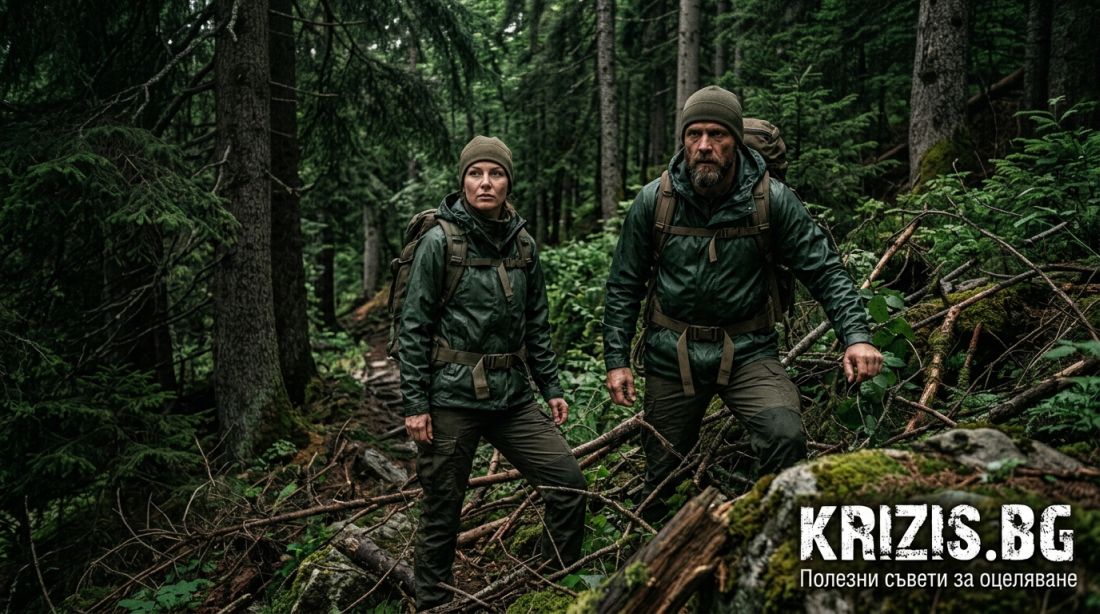 Устойчиво облекло
Повече преходи, по-малко изхвърлени дрехи: грижа за термобельото от пране до ремонт
Как да поддържаш термобельо за планината, да следиш износването и да преценяваш устойчивите твърдения без заблуди.
Прочети статията →- Устойчиво облекло
Студът започва от мократа кожа: как да избереш термобельо за планината
Практично ръководство за първия базов слой: маршрут, материя, плътност, проба и комплект, който работи заедно.
Прочети статията → - Устойчиво облекло
Скъпото термобельо също може да разочарова: размер, кройка и разумна покупка
Подробна проба за блуза и клин, проверка на шевове и съвместимост и план за покупка без излишни комплекти.
Прочети статията → - Устойчиво облекло
Мерино или синтетика? Изборът на термобельо, който има смисъл за твоя преход
Сравнение без универсални победители: как да подбереш мериносова вълна, синтетика или смес според собствените си нужди.
Прочети статията → - Устойчиво облекло
Не най-дебелото, а правилно подреденото: термобельо и слоеве за зимен преход
Как да организираш базов, изолиращ и защитен слой и да планираш промяната между изкачване, почивка и връщане.
Прочети статията → 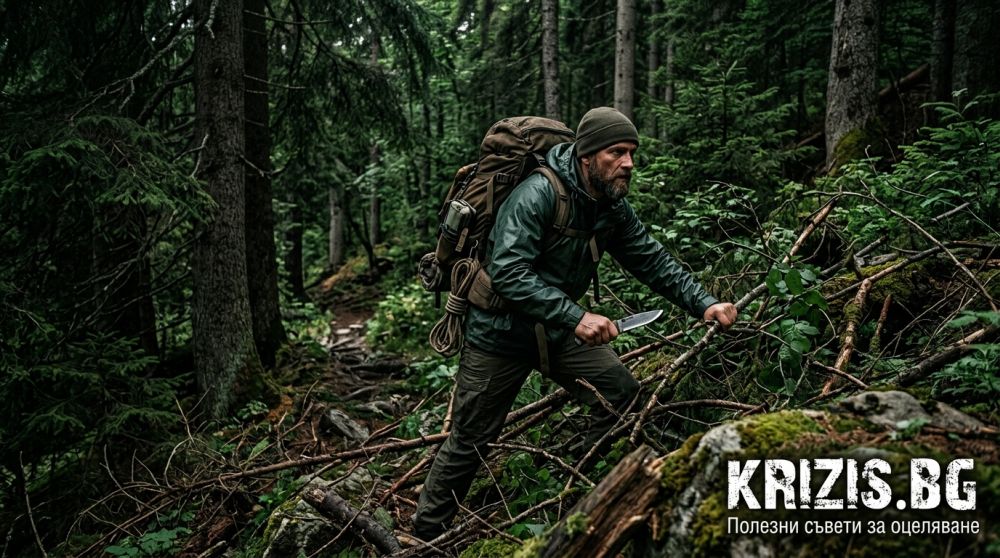 Оцеляване
Термоекипировка за планината през зимните месеци
Изборът на правилната термоекипировка е разликата между незабравимото планинарско приключение и опасния за здравето престой на студено. Когато прекарвате дълго време на открито…
Прочети статията →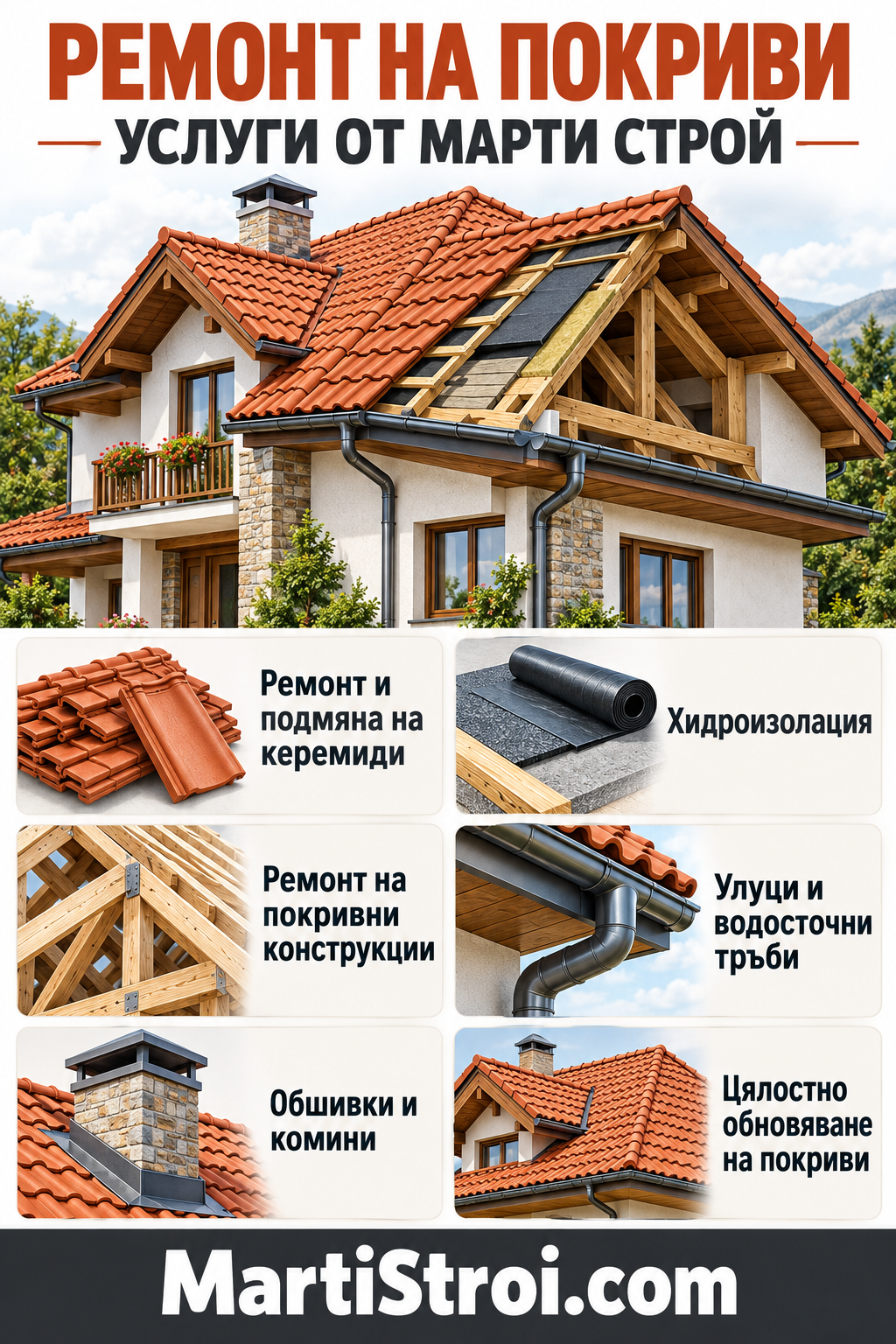 Krizis
Качествени покривни ремонти от Марти Строй – надеждни услуги за Пловдив и околността
Когато завали през нощта и първата ви мисъл е за кофата на тавана, покривът вече определя спокойствието у дома. Започвате да следите прогнозата, премествате вещи и отлагате…
Прочети статията →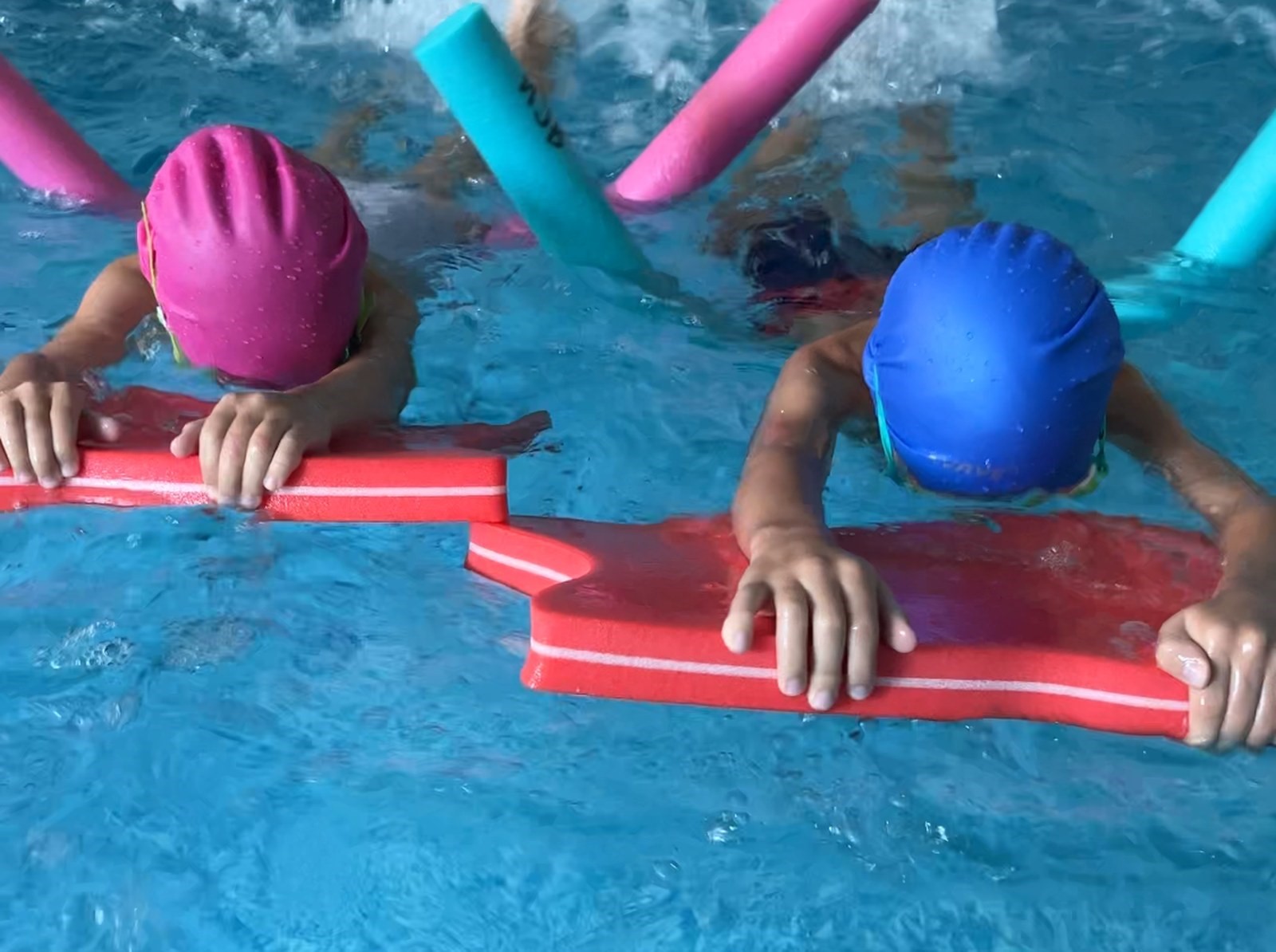 Спорт
СпортРазликата между плуване в басейн и в морето
Дете, което преплува басейна спокойно, може да се затрудни на десет метра в морето. Това изненадва родителите всяко лято и няма нищо общо с уменията му — просто средата е друга.…
Прочети статията → Оцеляване
Защо все повече хора търсят сигурност и спокойствие на село в кризисни моменти
Научете защо бягството на село е най-добрата стратегия при кризи в града. Анализ на сигурността, спокойствието, автономията и психологическите ползи. Динамиката на съвременния…
Прочети статията → Krizis
Силата на самодостатъчността: Как да изградим икономическа устойчивост при кризи
Силата на самодостатъчността: Как да изградим икономическа устойчивост при кризи Финансовите сътресения често ни заварват в състояние на пълна зависимост от сложни, глобални…
Прочети статията →